Empowering the Urdu Community through Computer Vision in Workplace Health Promotion Networks
Category : | Sub Category : Posted on 2024-09-07 22:25:23
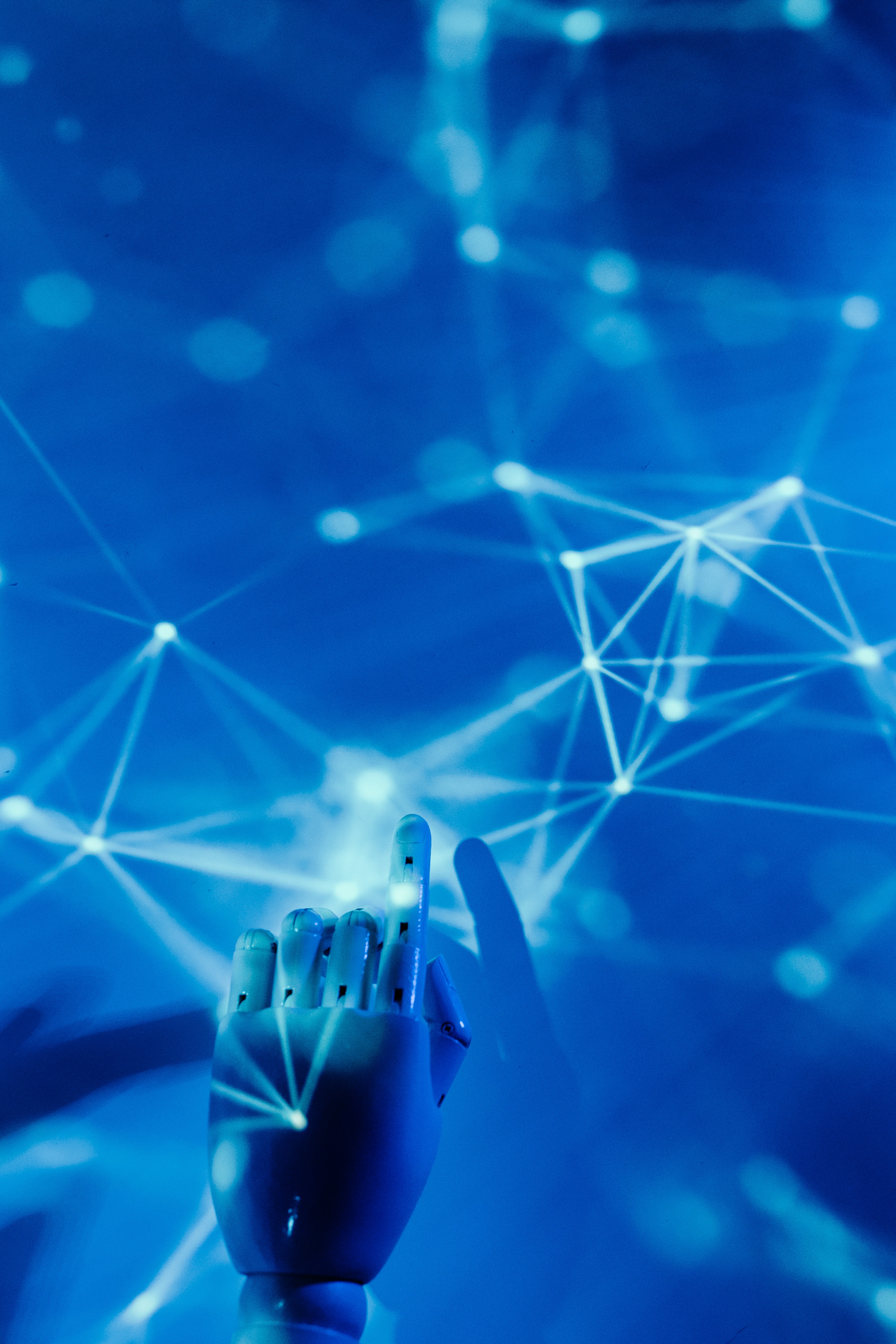
In today's digital age, technology has become an indispensable tool in driving progress and innovation across various sectors, including healthcare and professional development. One of the most exciting technological advancements in recent years is computer vision, a field of artificial intelligence that enables computers to interpret and understand the visual world. When applied to workplace health promotion networks, computer vision can revolutionize how organizations empower employees to lead healthier and more fulfilling lives. Within the Urdu community, which represents a vibrant and diverse group of individuals, promoting workplace health and well-being is of paramount importance. By harnessing the power of computer vision technology, organizations can personalize and enhance their health promotion initiatives to better cater to the unique needs and preferences of Urdu-speaking employees. One of the key benefits of integrating computer vision into workplace health promotion networks is the ability to analyze and interpret visual data to gain valuable insights into employee behaviors and preferences. For example, computer vision algorithms can track employees' physical activity levels, monitor their dietary choices, and even assess their mental well-being based on facial expressions. By leveraging this data, organizations can tailor health and wellness programs to target areas of improvement and provide personalized support to employees. Moreover, computer vision technology can streamline and automate various aspects of workplace health promotion, making it more accessible and engaging for Urdu-speaking employees. For instance, computer vision-powered mobile applications can offer interactive workout routines, nutritional tips, and mindfulness exercises in Urdu, catering to the language and cultural preferences of the community. This not only fosters greater participation and engagement but also empowers employees to take ownership of their health and well-being. In addition, computer vision can enhance workplace safety protocols by monitoring and analyzing visual data in real-time to detect potential hazards or risky behaviors. For Urdu-speaking employees working in diverse environments, such as manufacturing facilities or office buildings, this technology can serve as a powerful tool in ensuring a safe and healthy workplace for all. Overall, the integration of computer vision in workplace health promotion networks presents immense opportunities for empowering the Urdu community to lead healthier lifestyles and thrive in their professional endeavors. By harnessing the capabilities of this cutting-edge technology, organizations can create inclusive and effective health promotion strategies that cater to the specific needs of Urdu-speaking employees, ultimately fostering a culture of well-being and resilience in the workplace.
Leave a Comment:
SEARCH
Recent News
- Are you interested in embarking on a thrilling journey from Zurich, Switzerland to France while exploring the fascinating world of artificial intelligence games? Strap in and get ready for a unique adventure that combines the beauty of travel with the excitement of cutting-edge technology!
- Zurich, Switzerland, is a picturesque city known for its stunning landscapes, rich history, and vibrant cultural scene. However, in a bizarre turn of events, a tragedy unfolded in Zurich that shook the entire nation. The incident involved a cutting-edge artificial intelligence system that was being used in a series of immersive virtual reality games.
- Are you interested in the fascinating intersection of artificial intelligence and gaming in the beautiful cities of Zurich, Switzerland, and Sweden? Let's dive into this exciting topic!
- Switzerland is renowned for its picturesque landscapes, luxurious watches, and delicious chocolates. However, the country is also making significant strides in the fields of artificial intelligence and game development. Two of its major cities, Zurich and Geneva, are at the forefront of these exciting advancements.
- **Exploring the Intersection of Artificial Intelligence and Gaming in Zurich and Frankfurt**
- Revolutionizing Education in Cameroon with Artificial Intelligence Games: A Case Study from Zurich, Switzerland
- **Exploring the Intersection of Artificial Intelligence and Gaming in Zurich, Switzerland and Brussels, Belgium**
- Exploring the Intersection of Artificial Intelligence in Games: A Perspective from Zurich, Switzerland and Bangladesh
READ MORE
1 year ago Category :

Are you interested in embarking on a thrilling journey from Zurich, Switzerland to France while exploring the fascinating world of artificial intelligence games? Strap in and get ready for a unique adventure that combines the beauty of travel with the excitement of cutting-edge technology!
Read More →1 year ago Category :

Zurich, Switzerland, is a picturesque city known for its stunning landscapes, rich history, and vibrant cultural scene. However, in a bizarre turn of events, a tragedy unfolded in Zurich that shook the entire nation. The incident involved a cutting-edge artificial intelligence system that was being used in a series of immersive virtual reality games.
Read More →1 year ago Category :

Are you interested in the fascinating intersection of artificial intelligence and gaming in the beautiful cities of Zurich, Switzerland, and Sweden? Let's dive into this exciting topic!
Read More →1 year ago Category :
