The Role of Urdu-Speaking Community in Harnessing Artificial Intelligence for Maps
Category : | Sub Category : Posted on 2024-09-07 22:25:23
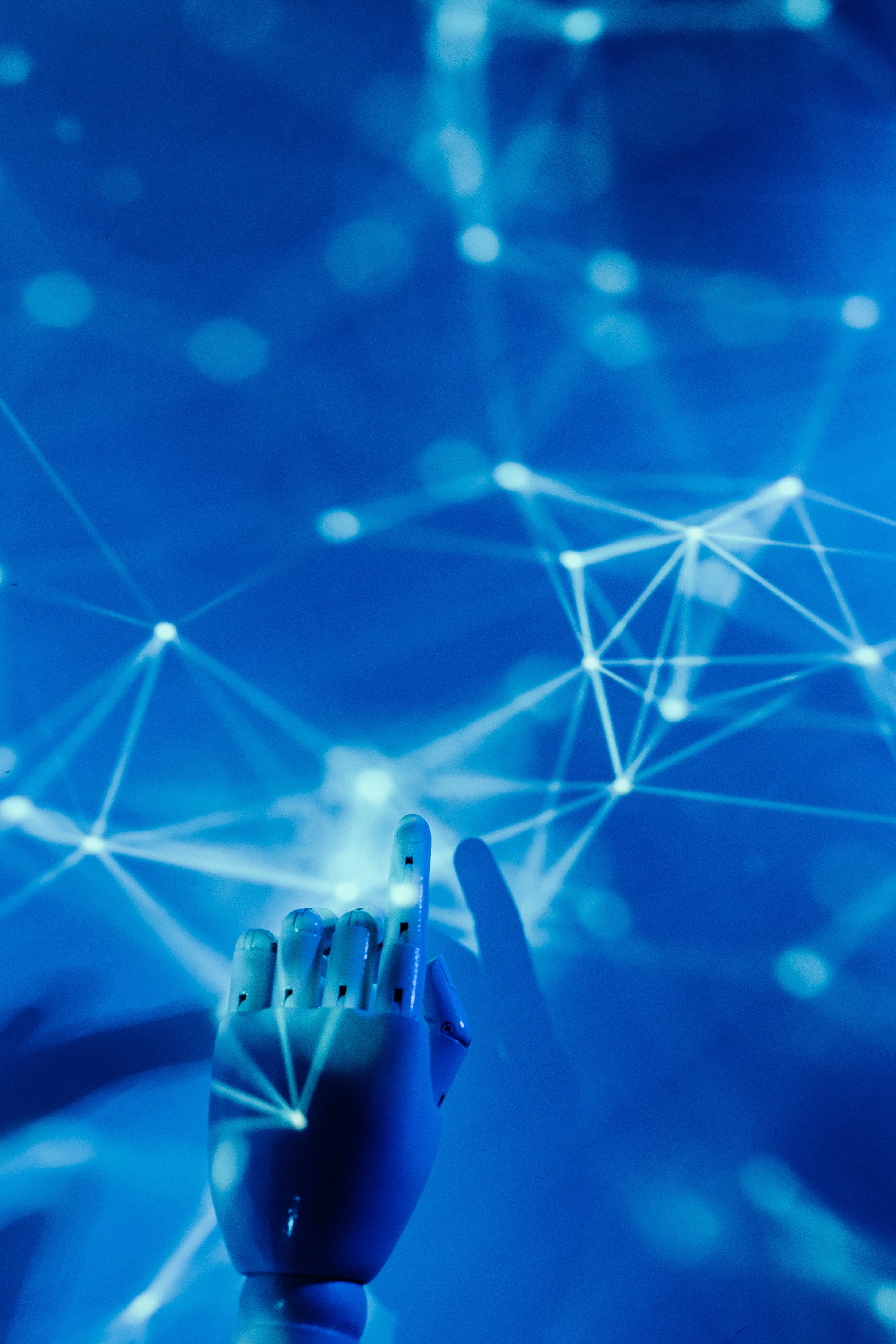
In the realm of technology and innovation, the Urdu-speaking community has been increasingly making strides in harnessing Artificial intelligence (AI) for enhancing digital maps. The integration of AI with mapping technologies has led to a plethora of benefits, revolutionizing how we navigate and interact with our surroundings. In this blog post, we will explore the significant contributions of the Urdu-speaking community in the development and advancement of AI-powered maps. Artificial intelligence has the remarkable ability to analyze vast amounts of data and extract meaningful patterns and insights. When applied to mapping technologies, AI can improve the accuracy of maps, provide real-time updates, and offer personalized recommendations to users. The Urdu-speaking community’s involvement in this space has been instrumental in bridging the gap between language and technology, ensuring that Urdu speakers have access to high-quality, localized mapping tools. One area where the Urdu-speaking community has excelled is in natural language processing (NLP) for map navigation. By developing AI algorithms that can understand and process Urdu language inputs, developers have created more user-friendly interfaces for Urdu-speaking individuals to interact with digital maps. This has not only improved the user experience but has also made maps more inclusive and accessible to a diverse range of users. Furthermore, the Urdu-speaking community has been at the forefront of leveraging AI for enhancing location-based services. By utilizing machine learning algorithms, developers have been able to analyze user behavior and preferences to offer tailored recommendations for restaurants, shops, and other points of interest on maps. This level of personalization has transformed the way people explore and discover new places, making the mapping experience more engaging and immersive. Moreover, the Urdu-speaking community has been actively involved in the development of AI-powered mapping tools for disaster management and emergency response. By incorporating AI algorithms for detecting natural disasters, predicting traffic patterns, and optimizing evacuation routes, developers have been able to enhance the resiliency of communities during crises. These innovative solutions have demonstrated the potential of AI to save lives and mitigate the impact of disasters. In conclusion, the Urdu-speaking community’s engagement with artificial intelligence has played a pivotal role in advancing the capabilities of digital maps. By leveraging AI technologies for language processing, personalization, and emergency response, developers within this community have made significant contributions to the evolution of mapping tools. As we look towards the future, the collaboration between the Urdu-speaking community and AI experts will continue to drive innovation in the field of mapping, ultimately leading to more intelligent and user-centric mapping solutions.
Leave a Comment:
SEARCH
Recent News
- Are you interested in embarking on a thrilling journey from Zurich, Switzerland to France while exploring the fascinating world of artificial intelligence games? Strap in and get ready for a unique adventure that combines the beauty of travel with the excitement of cutting-edge technology!
- Zurich, Switzerland, is a picturesque city known for its stunning landscapes, rich history, and vibrant cultural scene. However, in a bizarre turn of events, a tragedy unfolded in Zurich that shook the entire nation. The incident involved a cutting-edge artificial intelligence system that was being used in a series of immersive virtual reality games.
- Are you interested in the fascinating intersection of artificial intelligence and gaming in the beautiful cities of Zurich, Switzerland, and Sweden? Let's dive into this exciting topic!
- Switzerland is renowned for its picturesque landscapes, luxurious watches, and delicious chocolates. However, the country is also making significant strides in the fields of artificial intelligence and game development. Two of its major cities, Zurich and Geneva, are at the forefront of these exciting advancements.
- **Exploring the Intersection of Artificial Intelligence and Gaming in Zurich and Frankfurt**
- Revolutionizing Education in Cameroon with Artificial Intelligence Games: A Case Study from Zurich, Switzerland
- **Exploring the Intersection of Artificial Intelligence and Gaming in Zurich, Switzerland and Brussels, Belgium**
- Exploring the Intersection of Artificial Intelligence in Games: A Perspective from Zurich, Switzerland and Bangladesh
READ MORE
1 year ago Category :

Are you interested in embarking on a thrilling journey from Zurich, Switzerland to France while exploring the fascinating world of artificial intelligence games? Strap in and get ready for a unique adventure that combines the beauty of travel with the excitement of cutting-edge technology!
Read More →1 year ago Category :

Zurich, Switzerland, is a picturesque city known for its stunning landscapes, rich history, and vibrant cultural scene. However, in a bizarre turn of events, a tragedy unfolded in Zurich that shook the entire nation. The incident involved a cutting-edge artificial intelligence system that was being used in a series of immersive virtual reality games.
Read More →1 year ago Category :

Are you interested in the fascinating intersection of artificial intelligence and gaming in the beautiful cities of Zurich, Switzerland, and Sweden? Let's dive into this exciting topic!
Read More →1 year ago Category :
