Exploring the Intersection of Artificial Intelligence, Self-Study, and NFT Games
Category : | Sub Category : Posted on 2024-09-07 22:25:23
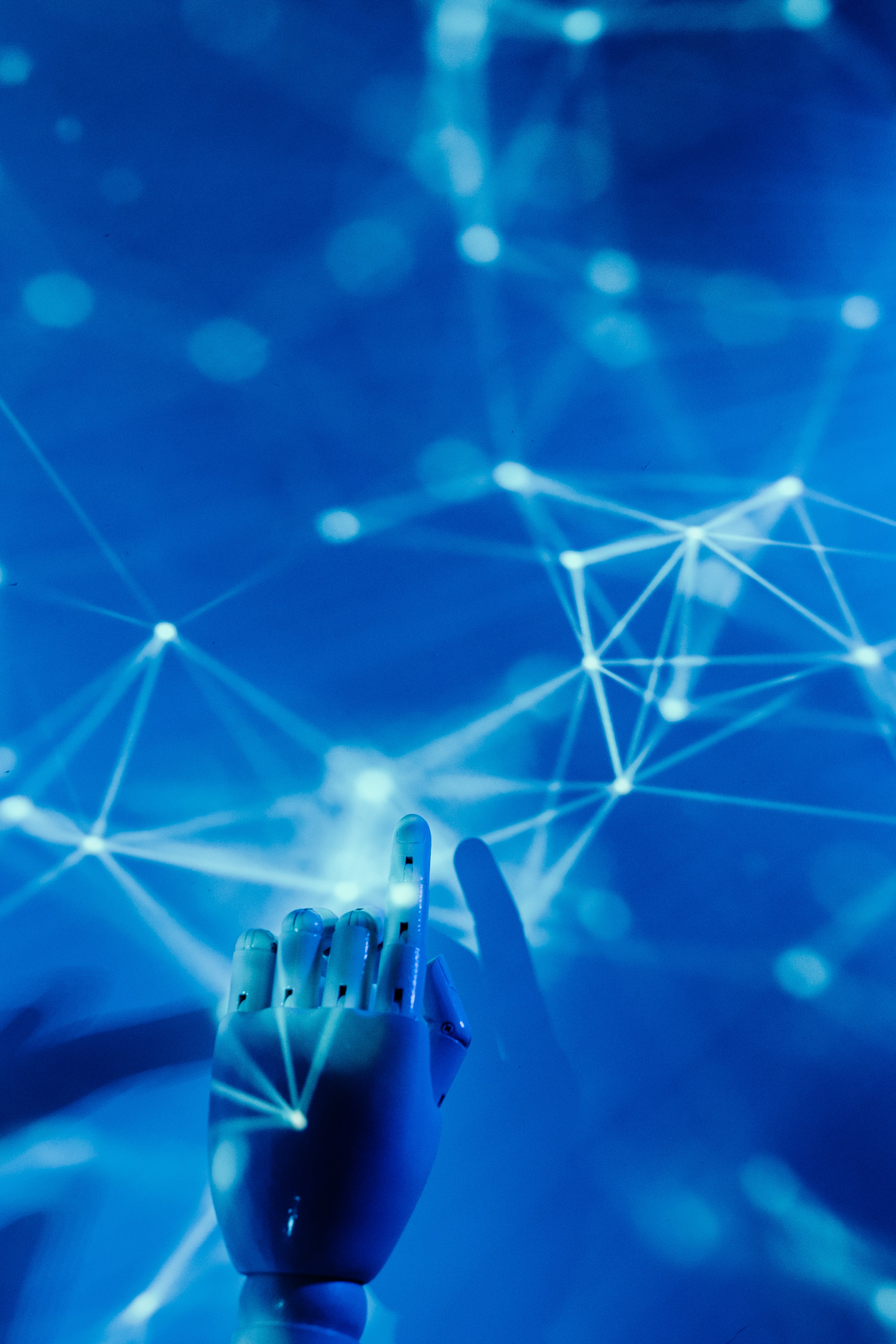
In recent years, the fields of Artificial intelligence, self-study, and NFT (non-fungible token) games have been gaining significant attention individually. But what happens when these three cutting-edge technologies intersect? Let's delve into how artificial intelligence is influencing self-study in NFT games and the exciting possibilities that arise from this convergence. Artificial intelligence (AI) has revolutionized many industries by enabling machines to learn from data, recognize patterns, and make decisions with little human intervention. This technology is now being integrated into self-study platforms to personalize learning experiences based on individual preferences and performance. By using AI algorithms to analyze user behavior and performance data, self-study platforms can offer tailored content recommendations, track progress, and provide real-time feedback to enhance the learning process. When it comes to NFT games, these blockchain-based games are unique because players truly own the in-game assets through NFTs, which are one-of-a-kind digital items with verified ownership stored on the blockchain. The concept of play-to-earn in NFT games has gained popularity, allowing players to monetize their gaming skills by earning cryptocurrencies or valuable NFTs. By leveraging AI technology, NFT games can enhance the gaming experience by creating dynamic and personalized gameplay experiences tailored to individual player preferences and skill levels. The convergence of AI, self-study, and NFT games opens up exciting possibilities for the future of education and entertainment. Imagine a scenario where AI-powered self-study platforms analyze a player's gaming data to identify learning gaps, recommend educational content or challenges within NFT games, and provide personalized guidance to improve skills and knowledge in real-time. This fusion of technologies has the potential to revolutionize how we learn and play games, blurring the lines between education and entertainment. Furthermore, AI can be used in NFT games to create intelligent non-playable characters (NPCs) that adapt to a player's behavior, making the gaming experience more immersive and challenging. These AI-driven NPCs can simulate realistic interactions, adjust difficulty levels based on player performance, and even provide personalized feedback to help players improve their gaming skills. As we look towards the future of artificial intelligence, self-study, and NFT games, it's evident that the possibilities are endless. By combining these innovative technologies, we can create immersive learning experiences, foster skill development, and offer new avenues for entertainment that are personalized and engaging. The intersection of AI, self-study, and NFT games represents a groundbreaking convergence that has the potential to shape the future of education and gaming in profound ways.
Leave a Comment:
SEARCH
Recent News
- Are you interested in embarking on a thrilling journey from Zurich, Switzerland to France while exploring the fascinating world of artificial intelligence games? Strap in and get ready for a unique adventure that combines the beauty of travel with the excitement of cutting-edge technology!
- Zurich, Switzerland, is a picturesque city known for its stunning landscapes, rich history, and vibrant cultural scene. However, in a bizarre turn of events, a tragedy unfolded in Zurich that shook the entire nation. The incident involved a cutting-edge artificial intelligence system that was being used in a series of immersive virtual reality games.
- Are you interested in the fascinating intersection of artificial intelligence and gaming in the beautiful cities of Zurich, Switzerland, and Sweden? Let's dive into this exciting topic!
- Switzerland is renowned for its picturesque landscapes, luxurious watches, and delicious chocolates. However, the country is also making significant strides in the fields of artificial intelligence and game development. Two of its major cities, Zurich and Geneva, are at the forefront of these exciting advancements.
- **Exploring the Intersection of Artificial Intelligence and Gaming in Zurich and Frankfurt**
- Revolutionizing Education in Cameroon with Artificial Intelligence Games: A Case Study from Zurich, Switzerland
- **Exploring the Intersection of Artificial Intelligence and Gaming in Zurich, Switzerland and Brussels, Belgium**
- Exploring the Intersection of Artificial Intelligence in Games: A Perspective from Zurich, Switzerland and Bangladesh
READ MORE
2 years ago Category :

Are you interested in embarking on a thrilling journey from Zurich, Switzerland to France while exploring the fascinating world of artificial intelligence games? Strap in and get ready for a unique adventure that combines the beauty of travel with the excitement of cutting-edge technology!
Read More →2 years ago Category :

Zurich, Switzerland, is a picturesque city known for its stunning landscapes, rich history, and vibrant cultural scene. However, in a bizarre turn of events, a tragedy unfolded in Zurich that shook the entire nation. The incident involved a cutting-edge artificial intelligence system that was being used in a series of immersive virtual reality games.
Read More →2 years ago Category :

Are you interested in the fascinating intersection of artificial intelligence and gaming in the beautiful cities of Zurich, Switzerland, and Sweden? Let's dive into this exciting topic!
Read More →2 years ago Category :
