Transforming Workplace Health Promotion with Artificial Intelligence and Computer Vision
Category : | Sub Category : Posted on 2024-09-07 22:25:23
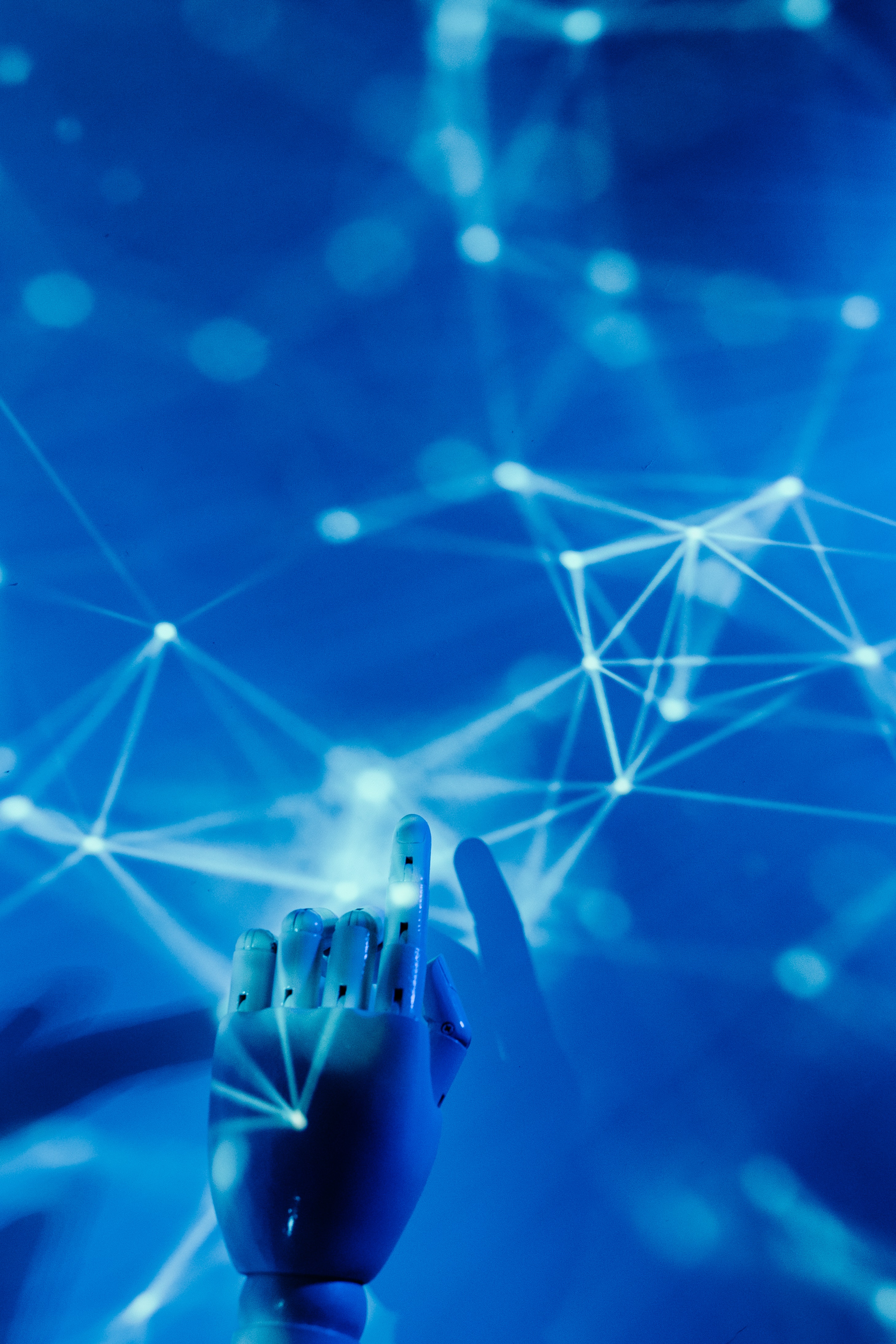
In today's fast-paced and technologically advanced world, the integration of artificial intelligence (AI) and computer vision technology is revolutionizing various aspects of everyday life, including workplace Health promotion. By leveraging AI and computer vision in workplace health initiatives, organizations can improve employee well-being, enhance workplace safety, and boost overall productivity. 1. Enhanced Monitoring and Analysis: AI-powered systems can analyze data from wearable devices, sensors, and cameras equipped with computer vision technology to monitor employees' health and well-being in real-time. For example, wearable fitness trackers can provide insights into employees' physical activities, sleep patterns, and stress levels, allowing employers to tailor wellness programs to individual needs. 2. Early Risk Detection: Computer vision technology can be used to identify potential health and safety risks in the workplace, such as hazardous working conditions or ergonomic issues. AI algorithms can analyze visual data to detect anomalies or unusual patterns that may pose a risk to employee health, enabling employers to take proactive measures to mitigate potential problems. 3. Personalized Health Interventions: By utilizing AI algorithms to analyze health data and preferences, organizations can offer personalized health interventions to employees. For instance, AI-powered chatbots can provide personalized wellness tips, reminders for medication, and guidance on healthy lifestyle choices, tailored to individual employees' needs and preferences. 4. Remote Health Monitoring: With the rise of remote work and telecommuting, AI-powered systems equipped with computer vision technology can facilitate remote health monitoring for employees. Through virtual consultations, remote health assessments, and real-time health tracking, employees can receive the care and support they need, regardless of their physical location. 5. Data-Driven Decision-Making: AI and computer vision technology generate a wealth of data that can be used to make informed decisions regarding workplace health promotion strategies. By analyzing trends, patterns, and insights derived from AI-powered systems, organizations can optimize their health and wellness initiatives to better meet the needs of their employees. In conclusion, the integration of artificial intelligence and computer vision technology in workplace health promotion is transforming the traditional approach to employee well-being. By leveraging these advanced technologies, organizations can enhance monitoring and analysis, detect risks early, offer personalized interventions, facilitate remote health monitoring, and make data-driven decisions to create a healthier and safer work environment for their employees. Embracing AI and computer vision in workplace health promotion networks can lead to improved employee outcomes, increased productivity, and a more engaged workforce.
Leave a Comment:
SEARCH
Recent News
- Are you interested in embarking on a thrilling journey from Zurich, Switzerland to France while exploring the fascinating world of artificial intelligence games? Strap in and get ready for a unique adventure that combines the beauty of travel with the excitement of cutting-edge technology!
- Zurich, Switzerland, is a picturesque city known for its stunning landscapes, rich history, and vibrant cultural scene. However, in a bizarre turn of events, a tragedy unfolded in Zurich that shook the entire nation. The incident involved a cutting-edge artificial intelligence system that was being used in a series of immersive virtual reality games.
- Are you interested in the fascinating intersection of artificial intelligence and gaming in the beautiful cities of Zurich, Switzerland, and Sweden? Let's dive into this exciting topic!
- Switzerland is renowned for its picturesque landscapes, luxurious watches, and delicious chocolates. However, the country is also making significant strides in the fields of artificial intelligence and game development. Two of its major cities, Zurich and Geneva, are at the forefront of these exciting advancements.
- **Exploring the Intersection of Artificial Intelligence and Gaming in Zurich and Frankfurt**
- Revolutionizing Education in Cameroon with Artificial Intelligence Games: A Case Study from Zurich, Switzerland
- **Exploring the Intersection of Artificial Intelligence and Gaming in Zurich, Switzerland and Brussels, Belgium**
- Exploring the Intersection of Artificial Intelligence in Games: A Perspective from Zurich, Switzerland and Bangladesh
READ MORE
1 year ago Category :

Are you interested in embarking on a thrilling journey from Zurich, Switzerland to France while exploring the fascinating world of artificial intelligence games? Strap in and get ready for a unique adventure that combines the beauty of travel with the excitement of cutting-edge technology!
Read More →1 year ago Category :

Zurich, Switzerland, is a picturesque city known for its stunning landscapes, rich history, and vibrant cultural scene. However, in a bizarre turn of events, a tragedy unfolded in Zurich that shook the entire nation. The incident involved a cutting-edge artificial intelligence system that was being used in a series of immersive virtual reality games.
Read More →1 year ago Category :

Are you interested in the fascinating intersection of artificial intelligence and gaming in the beautiful cities of Zurich, Switzerland, and Sweden? Let's dive into this exciting topic!
Read More →1 year ago Category :
